After 15 years in the gymnasium and countless conversations with fellow PE educators, I’ve learned that having the right equipment can make or break your physical education program. Whether you’re a first-year teacher setting up your space or a veteran looking to maximize your budget, these 10 essential pieces of equipment will transform your PE classes from good to extraordinary.
#1 – Pinnies/Jerseys (Team Identity Made Simple)

Why they eliminate confusion: Clear team identification prevents arguments and builds cooperation.
What you need:
- Two contrasting colors minimum (red vs. blue works universally)
- Multiple sizes for different body types
- Mesh material for durability and breathability
Beyond team sports:
- Equipment managers identification
- Leader/helper designation
- Safety patrol visibility
- Special role assignments
Organization hack: Numbered pinnies make attendance and team selection efficient.
Why they’re #1: After years of teaching, I’ve learned that clear team identification eliminates 90% of arguments during activities. Students know immediately which team they’re on, reducing confusion and maximizing activity time.
#2 – Floor Tape/Line Markers/Poly Spots (The Ultimate Game Changer)

Why they’re essential: Any way to mark the floor is the most versatile tool in any PE teacher’s arsenal.
Options that work:
- Poly spots – Durable foam markers for temporary placement
- Floor tape – Semi-permanent lines and boundaries
- Line markers – Temporary boundary creation
- Vinyl decals – Permanent floor markings
How they transform your teaching:
- Assigned seating that eliminates daily chaos
- Boundary markers for games and activities
- Station markers for circuit training
- Formation guides for lining up students
- Activity targets for throwing and jumping
Budget tip: Buy in bulk during back-to-school sales. You’ll need at least 40-50 floor markers for a full class.
Pro insight: After trying countless classroom management strategies, nothing has been more effective than assigned floor markers for creating organized, efficient PE classes.
#3 – Music Player with Preselected Playlists (The Energy Game Changer)

Why it’s irreplaceable: Music transforms the entire atmosphere of your gymnasium and serves as your most powerful classroom management tool.
Essential features:
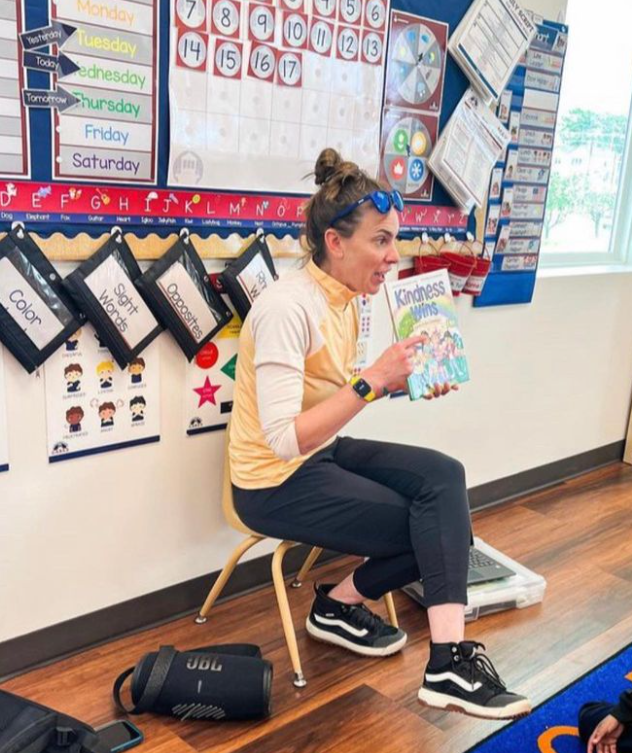
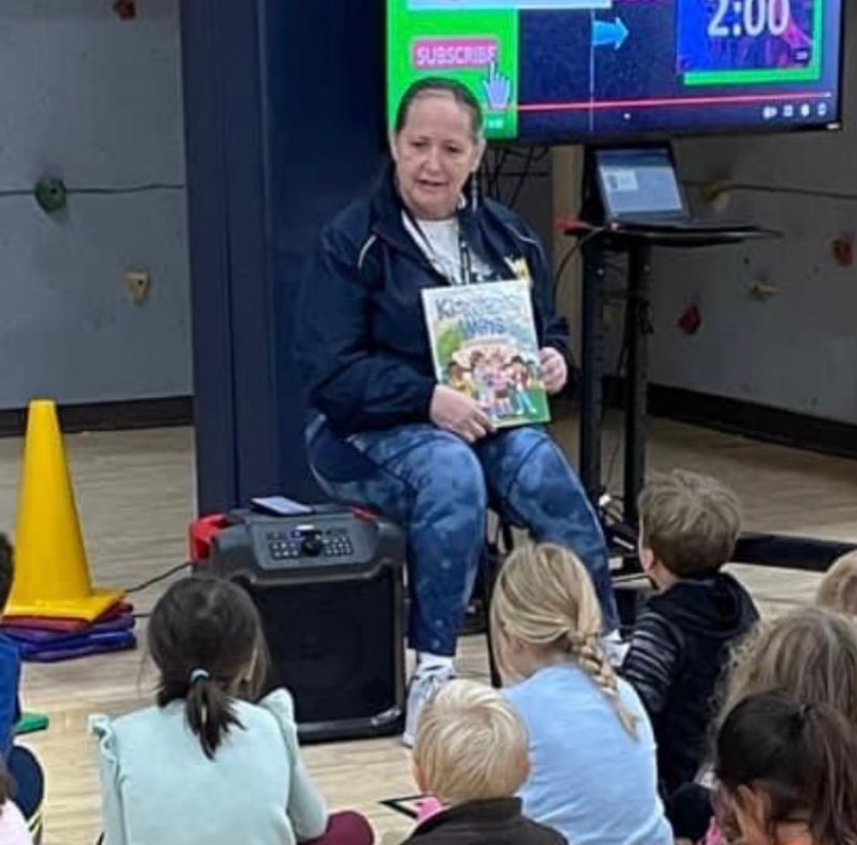
- Portable Bluetooth speaker – Loud enough for gym acoustics
- Smartphone or tablet – Easy playlist management
- Backup charging cables – Never get caught without power
- Volume control accessibility – Quick adjustments during activities
Classroom management benefits:
- Music playing = activity time
- Music stops = freeze and listen
- No music = instruction time
- Specific songs = cleanup or transition time
Playlist essentials:
- High-energy songs for warm-ups and activities
- Moderate tempo for skill practice
- Calm music for cool-down and stretching
- Cultural music for diversity and global awareness
- Clean, age-appropriate lyrics always
Why students love it:
- Creates positive, energetic environment
- Eliminates need for constant whistle use
- Builds anticipation and excitement
- Makes exercise feel like fun, not work
Pro tip: Spend time during summer break creating themed playlists. Having music ready transforms your teaching efficiency and student engagement.
#4 – Foam Balls (Safety Meets Fun)

Why foam beats everything else: Safe, versatile, and perfect for building confidence.
Essential types to have:
- 6-inch foam balls – Perfect for throwing, catching, kicking
- 4-inch foam balls – Great for smaller hands and precision activities
- Gator skin balls – Slightly firmer for older students
Why students love them:
- No fear of getting hurt
- Successful catches build confidence
- Perfect for indoor use
- Quiet when dropped
Lesson applications:
- Underhand throwing progressions
- Catching skill development
- Modified dodgeball games
- Target practice activities
Budget hack: Foam balls are worth the investment – they last years and eliminate injury concerns.
#5 – Cones (The Unsung Heroes)

Why you need hundreds: Cones create structure, safety, and endless possibilities.
Different sizes for different purposes:
- Large cones (12-inch) – Boundaries and major markers
- Medium cones (9-inch) – Station markers and obstacles
- Small cones (6-inch) – Precision markers and targets
Daily uses:
- Defining playing areas
- Creating obstacle courses
- Marking start/finish lines
- Setting up multiple stations
- Emergency stop points
Pro tip: Invest in bright colors that contrast with your gym floor. Orange and lime green work in almost every gymnasium.
#6 – Hula Hoops (More Than Just Spinning)

Beyond the obvious: Hula hoops are incredibly versatile PE tools.
Creative uses:
- Targets for throwing activities
- Boundaries for personal space
- Equipment for relay races
- Props for creative movement
- Goals for modified games
Multiple skill development:
- Core strength and coordination (traditional hooping)
- Spatial awareness (moving through hoops)
- Teamwork (group hoop activities)
- Problem-solving (hoop challenges)
Storage solution: Wall-mounted hoop holders keep them organized and accessible.
#7 – Bean Bags (Perfect Starter Equipment)

Why they’re ideal for beginners: Bean bags don’t roll away, bounce unpredictably, or cause fear.
Skill building benefits:
- Throwing accuracy – Natural weight distribution
- Catching confidence – Slow movement builds success
- Hand-eye coordination – Perfect size for small hands
- Balance challenges – Walking with bean bags on head/shoulder
Lesson integration:
- Underhand/overhand throwing practice
- Target games and accuracy challenges
- Balance and coordination activities
- Quiet warm-up activities
Durability factor: Quality bean bags last for years and handle daily use from hundreds of students.
#8 – Playground Balls (The Classics That Work)

Why they’re still essential: Some activities simply require traditional rubber balls.
Size variety needed:
- 8.5-inch balls – Perfect for most elementary activities
- 10-inch balls – Better for older students
- 6-inch balls – Great for younger children
Irreplaceable activities:
- Four square and two square
- Kickball and modified games
- Bouncing and dribbling skills
- Traditional playground games
Maintenance tip: Proper inflation extends ball life significantly. Check pressure weekly.
#9 – Storage Cart/Equipment on Wheels (Mobility Matters)

Why mobility transforms teaching: Moving equipment efficiently maximizes activity time.
Essential features:
- Large wheels that handle gym floors
- Multiple compartments for organization
- Locking capabilities for security
- Durable construction for daily use
Time-saving benefits:
- Quick setup between classes
- Easy transport to outdoor spaces
- Organized equipment storage
- Reduced setup/cleanup time
Investment perspective: A quality cart pays for itself in time saved and reduced physical strain.
#10 – Jump Ropes (Individual Excellence)

Why they’re fundamental: Jump ropes provide individual fitness that students can take anywhere.
What to buy:
- Segmented beaded ropes – Durable and provide good feedback
- Speed ropes – For advanced students
- Long ropes – For group activities like “Waterfall”
Skills they develop:
- Coordination and timing
- Cardiovascular fitness
- Individual goal setting
- Rhythm and musicality
- Persistence and practice
Lesson applications:
- Individual fitness development
- Coordination and timing practice
- Group activities and challenges
- Rhythm and music integration
- Portable exercise students can take home
Classroom management tip: Assign rope lengths by student height and number them for easy distribution.
Lifetime fitness value: Jump ropes teach skills students can use for life, making them an investment in long-term health and fitness habits.
Equipment on a Budget: Making It Work
Priority Purchasing Order
- Pinnies – Eliminates confusion and arguments immediately
- Floor markers – Biggest impact for classroom management
- Music player setup – Transforms atmosphere and management
- Foam balls – Safety and versatility
- Cones – Structure and organization
Budget-Stretching Strategies
- Buy in bulk during summer sales
- Partner with other teachers for group orders
- Apply for grants through education foundations
- Fundraise through parent organizations
- Check online marketplaces for gently used equipment
DIY Alternatives
- Floor markers: Cut pool noodles into rings or use masking tape
- Bean bags: Sew fabric pouches filled with rice
- Cones: Use plastic cups (temporary solution)
- Music setup: Use phone with portable speaker initially
Maintenance and Longevity
Making Equipment Last
- Teach proper handling from day one
- Establish cleanup procedures that students follow
- Regular maintenance checks prevent major repairs
- Proper storage extends equipment life significantly
- Student ownership – when they help care for equipment, it lasts longer
Replacement Planning
- Budget annually for equipment replacement
- Track usage to predict when replacement is needed
- Quality over quantity – better equipment lasts longer
- Safety first – replace worn equipment before injuries occur
Beyond the Basics: Building Your Program
Once you have these 10 essentials, consider adding:
- Jump ropes for individual fitness development
- Parachute for cooperative activities
- Scooters for unique movement experiences
- Balance equipment for coordination development
- First aid supplies for safety and preparedness
The Real Investment: Student Success
According to research from the Society of Health and Physical Educators (SHAPE America), quality equipment directly correlates with increased student engagement and skill development in physical education.
For additional equipment ideas and PE resources, PE Central offers extensive reviews and recommendations from experienced educators.
Remember, the best equipment in the world won’t replace good teaching, but having the right tools makes excellent instruction possible. These 10 pieces of equipment create the foundation for a PE program where every student can find success, build confidence, and develop a lifelong love of movement—while preserving your body for a long, healthy teaching career.
What equipment has been a game-changer in your gymnasium? Share your experiences and help fellow PE teachers build programs that truly serve every student!
Looking for more PE teaching resources? Explore my complete collection of PE books and lesson plans for additional tools to enhance your physical education program.