How to Teach Kindness to Children: A Teacher’s Guide to Building Empathy in Schools and at Home
As educators and parents, we all want to raise children who are not just academically successful, but genuinely good human beings. In today’s world, where bullying and social media negativity seem to dominate headlines, teaching kindness to children has never been more critical. After years in the classroom as a PE teacher and children’s book author, I’ve learned that kindness isn’t just a nice-to-have trait—it’s an essential life skill that children can and must learn.
Why Teaching Kindness Matters More Than Ever
Research consistently shows that children who learn empathy and kindness early in life perform better academically, have stronger social relationships, and develop better emotional regulation skills. Yet many parents and teachers struggle with how to effectively teach these crucial values in practical, everyday situations.
The truth is, kindness doesn’t happen automatically. It requires intentional teaching, consistent modeling, and regular practice—just like reading or math.
The Power of Children’s Books in Teaching Values
One of the most effective tools for teaching kindness to children is through storytelling. When children see characters navigating social situations, making difficult choices, and learning from mistakes, they begin to internalize these lessons for their own lives.
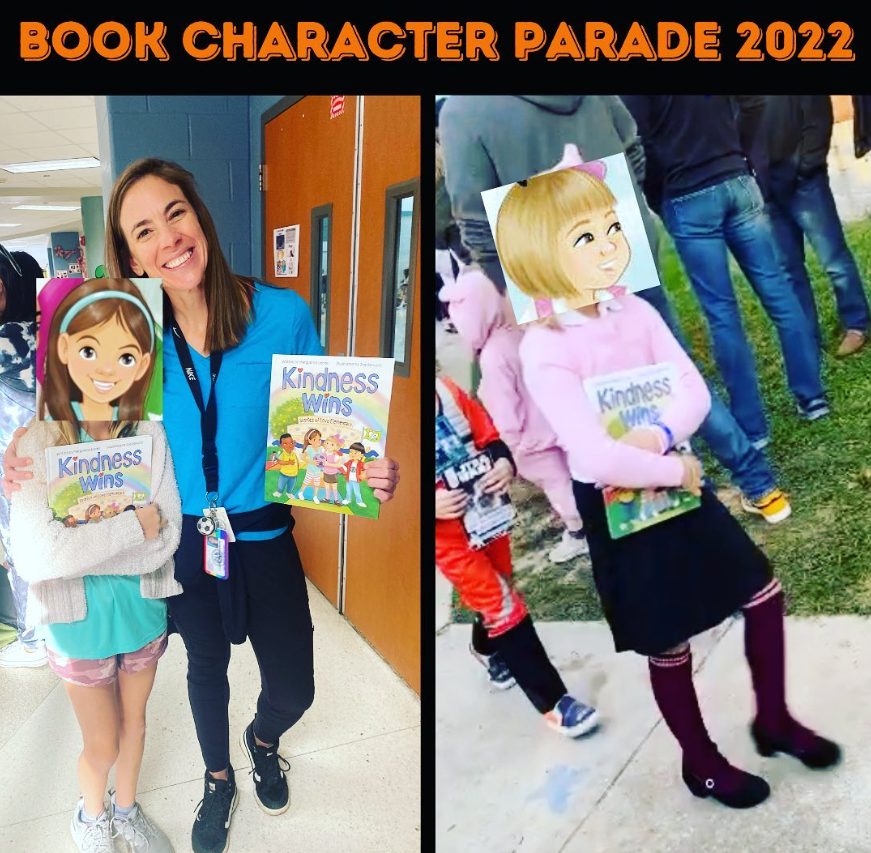
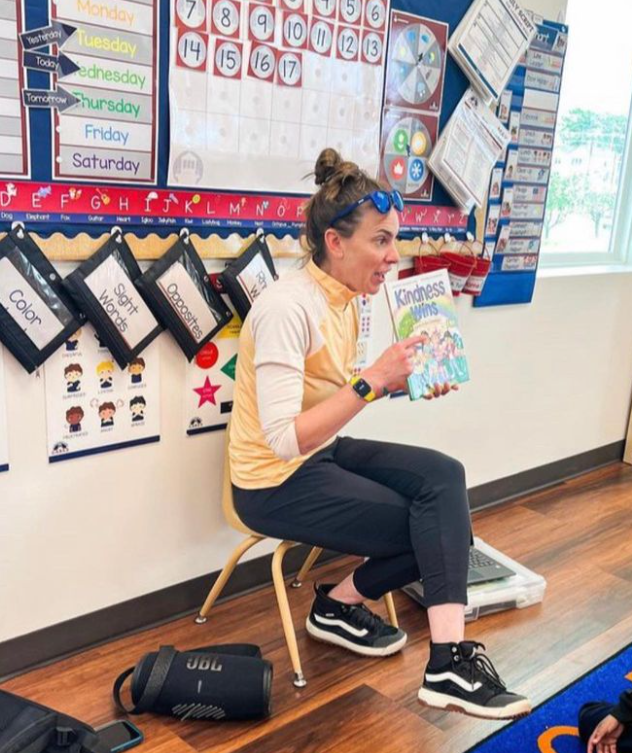
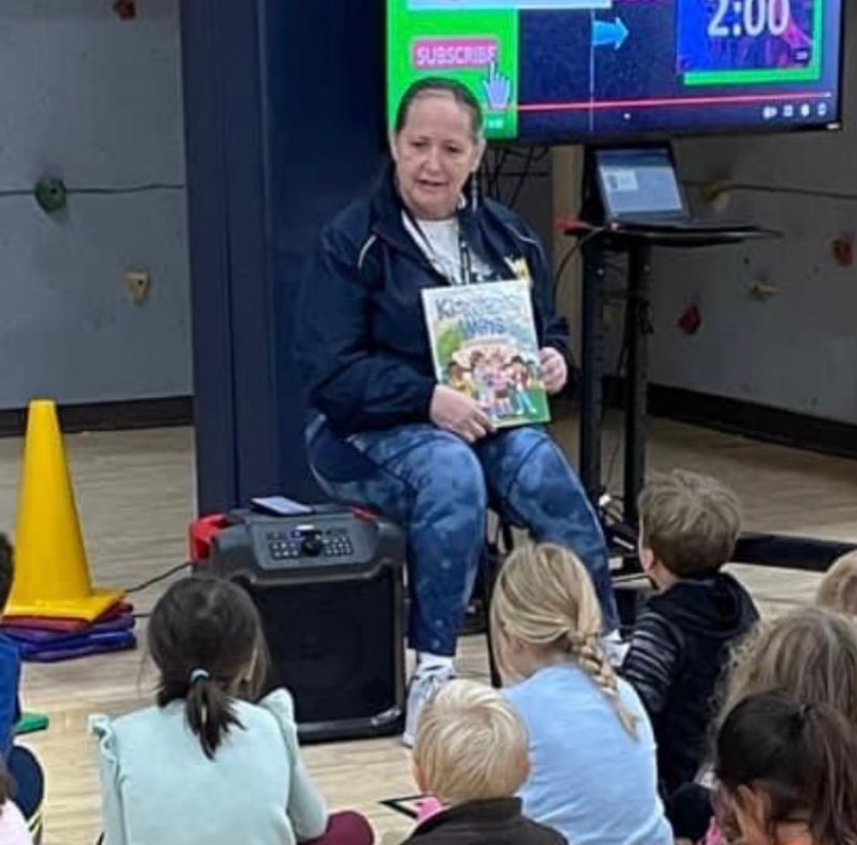
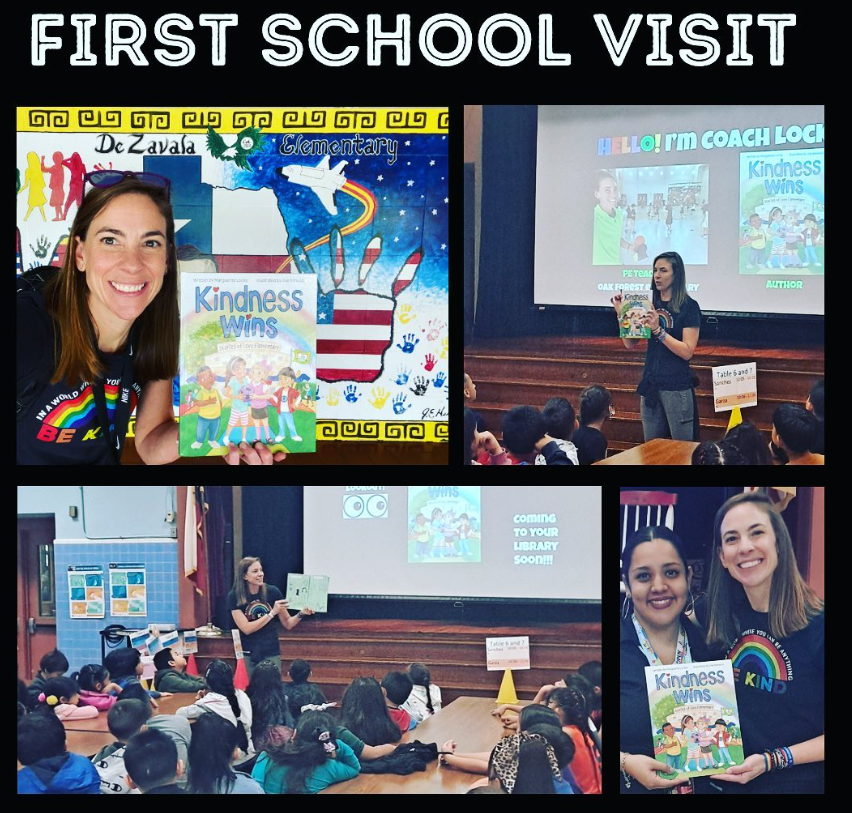
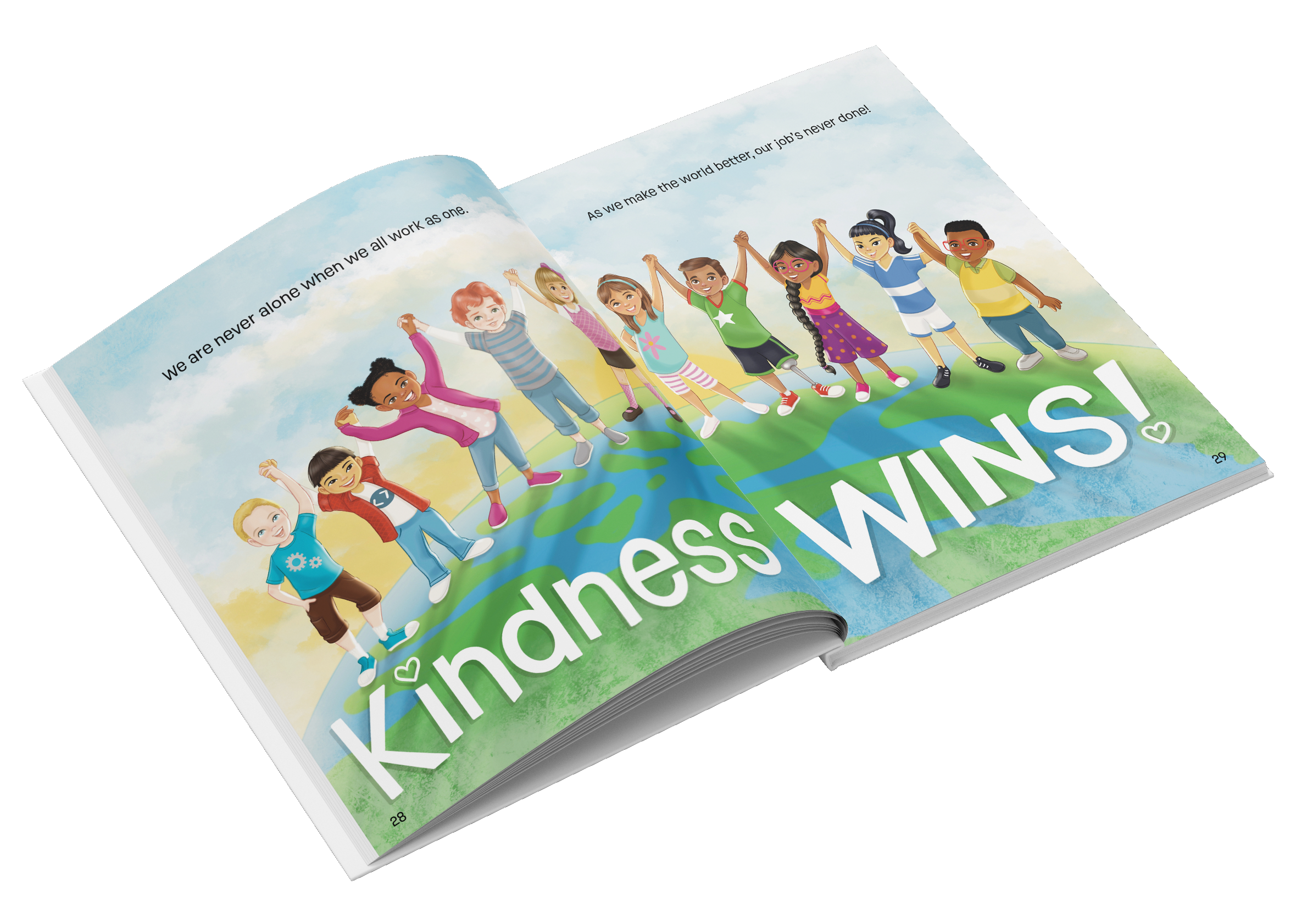
That’s exactly why I wrote “Kindness Wins” and “School Rules”—to give parents and teachers concrete tools for starting important conversations about how we treat one another. These books don’t just tell children to “be nice.” They show real scenarios that kids face every day and demonstrate how choosing kindness can change everything.
Practical Strategies for Teaching Kindness at School
1. Make Kindness Visible
Create kindness charts, recognition systems, or “caught being kind” programs. When children see their acts of kindness celebrated, they’re more likely to repeat them.
2. Role-Play Difficult Situations
Use scenarios from books like “School Rules” to practice responses to common playground conflicts, classroom disagreements, or lunch table drama.
3. Integrate Kindness into Academic Lessons
Whether you’re teaching math, science, or PE, look for opportunities to highlight cooperation, helping others, and inclusive behavior.
4. Address Unkindness Immediately
When children witness or experience unkind behavior, use it as a teaching moment rather than simply punishing the behavior.
How Parents Can Reinforce Kindness at Home
Daily Kindness Conversations
Ask specific questions like “How did you show kindness today?” or “When did someone show kindness to you?” rather than generic “How was school?” queries.
Model Kindness Consistently
Children learn more from what they see than what they hear. Show kindness to service workers, neighbors, and yes—even to yourself.
Read Together Regularly
Books that address real social situations help children process emotions and practice problem-solving in a safe environment.
Create Family Kindness Goals
Work together to identify ways your family can show kindness to others, whether it’s helping elderly neighbors or writing thank-you notes to teachers.
The Classroom Connection: When School and Home Work Together
The most successful kindness education happens when schools and families are aligned. Teachers can send home discussion questions related to classroom kindness lessons, while parents can reinforce school values during homework time and family discussions.
“Kindness Wins” and “School Rules” were specifically designed to bridge this gap, providing conversation starters that work equally well in classroom circle time and bedtime reading routines.
Building a Kinder Generation: Small Steps, Big Impact
Teaching kindness isn’t about creating perfect children—it’s about giving them tools to make better choices when faced with difficult social situations. Every time a child chooses to include rather than exclude, to help rather than ignore, or to forgive rather than retaliate, we’re building a kinder world.
The investment we make in teaching empathy and kindness today will pay dividends not just in our children’s future relationships and success, but in the kind of society they’ll create as adults.
Ready to Start the Conversation?
If you’re looking for practical tools to help teach kindness in your classroom or home, “Kindness Wins” and “School Rules” offer age-appropriate stories that tackle real situations children face every day. These books provide natural conversation starters about treating others with respect, handling conflicts peacefully, and understanding that our choices have consequences.
Because in the end, kindness isn’t just something nice we do for others—it’s something essential we do for ourselves and our communities. And it all starts with the conversations we have with children today.
Looking for more resources on teaching kindness to children? Connect with me on social media for daily tips, classroom strategies, and real-world examples of kindness in action.