My Top 10 PE Warm-Up Games Ranked: A Veteran Teacher’s Guide to Safe and Engaging Activities
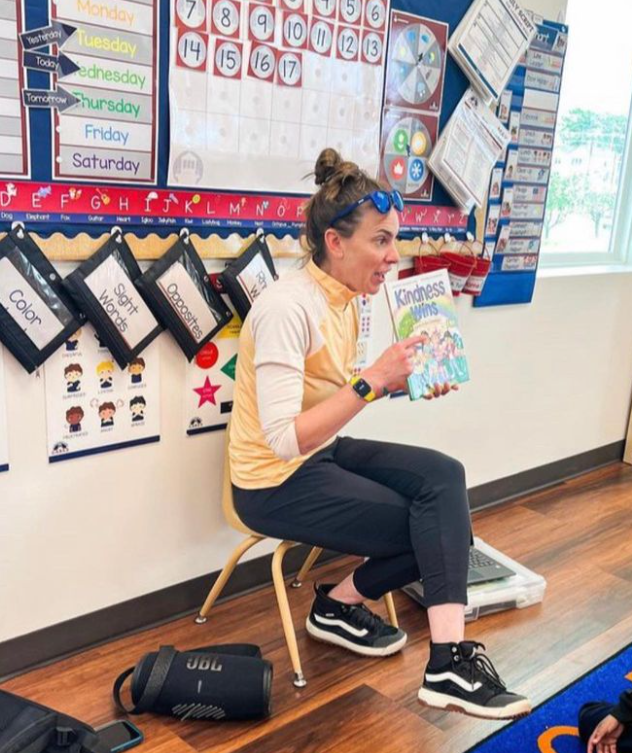
After years of teaching elementary PE and writing books like “School Rules” and “Kindness Wins,” I’ve tried hundreds of warm-up activities. Some create chaos, others cause injuries, and a few become absolute gold. Here are my top 10 warm-up games, ranked from favorite to least favorite, based on student engagement, safety, and ease of management.
#1 – Hula Hoop Tag
Why it’s my #1: No contact, minimal injuries, and zero arguments about who tagged whom!
How to Play: Students move around the gym. When tagged, they must stand with legs apart until a teammate crawls through their “hula hoop” to free them.
Grade Levels: K-5 Equipment: None needed Pro Tips: Emphasize gentle tags and safe crawling. This game naturally builds teamwork without the drama of traditional tag.
#2 – Sharks and Minnows
How to Play: One “shark” stands in the middle while “minnows” try to cross from one side to the other. Tagged minnows become sharks.
Grade Levels: K-5 Equipment: Boundary markers (optional) Why I love it: High engagement, natural progression, and easy to modify for different skill levels.
#3 – Yoshi
How to Play: Teams try to get all players to the opposite mat while avoiding being tagged. When teacher yells “YOSHI!” everyone makes a mad rush to any mat.
Setup: Place exercise mats on opposite ends of gym Grade Levels: 2-5 Equipment: 2 exercise mats Pro Tips: The “YOSHI” call adds excitement and levels the playing field for strategic gameplay.
#4 – Flag Tag
How to Play: Students tuck flags/pinnies into waistbands. Players try to pull others’ flags while protecting their own.
Grade Levels: 1-5 Equipment: Flags, pinnies, or cloth strips Benefits: Develops agility and spatial awareness without body contact.
#5 – Rock, Paper, Scissor Baseball
How to Play: Students move around “bases” (corners of gym) by winning rock, paper, scissors challenges at each base.
Grade Levels: K-5 Equipment: Cones or markers for bases Why it works: Combines strategy, fitness, and fair play. Everyone stays active regardless of skill level.
#6 – Jump the River
How to Play: Use ropes or lines to create a “river.” Students jump across, with the river getting progressively wider.
Grade Levels: K-5 Equipment: Jump ropes or floor tape Why I love it: Always has an exciting finish and the whole class gets involved. Builds jumping skills and confidence while being naturally self-differentiating.

#7 – Waterfall
How to Play: One person turns a long jump rope while others try to run through without getting hit. If the rope hits you, you’re out.
Grade Levels: 2-5 Equipment: Long jump rope Pro Tips: Great for timing and coordination. Rotate rope turners frequently.
#8 – Switch
How to Play: Five players occupy four corners plus center of a square. When the center player calls “Switch,” everyone must find a new corner (no center allowed).
Grade Levels: 1-5 Equipment: 4 cones Benefits: Perfect for small groups and develops quick decision-making skills.
#9 – Kings and Queens
How to Play: Students face off in rock, paper, scissors. Winners advance through fitness challenges while losers complete exercises based on their “rank.”
Grade Levels: 2-5 Equipment: Cones for stations Why it’s effective: Combines fitness with strategy. Everyone exercises regardless of winning or losing.
#10 – Bean Bag Tag
How to Play: Every student has a bean bag and can only slide it along the floor. If a bean bag hits you below the knee, you’re out. Last player standing wins.
Grade Levels: K-5 Equipment: One bean bag per student Benefits: Develops underhand throwing accuracy and dodging skills while keeping throws low and safe.
What Makes a Great PE Warm-Up?
After teaching elementary PE for years, I’ve learned that the best warm-up games share these qualities:
- Safety first – Minimal contact reduces injuries and arguments
- Inclusive design – Everyone can participate regardless of skill level
- Easy setup – Quick transitions keep energy high
- Clear rules – Less confusion means more activity time
- Natural differentiation – Students self-select appropriate challenge levels
According to research from the Society of Health and Physical Educators (SHAPE America), effective warm-up activities should gradually increase heart rate while building community and establishing positive classroom culture.
Pro Tips for Success:
Establish Clear Boundaries: Use cones, lines, or natural gym boundaries to define play areas.
Rotate Activities: Keep a rotation of 4-5 favorites to maintain novelty without overwhelming students.
Safety Signals: Teach stop signals early and practice them until they’re automatic.
Modify as Needed: Adjust rules for different grade levels, class sizes, and available space.
Making Warm-Ups Work for You
The key to successful PE warm-ups isn’t finding the “perfect” game—it’s finding activities that match your teaching style, student needs, and available resources. My #1 choice (Hula Hoop Tag) works because it aligns with my priorities: safety, inclusion, and minimal drama.
Research from SPARK PE shows that engaging warm-up activities increase overall lesson participation and enjoyment, making these games essential tools for building positive PE experiences.
For more warm-up game variations and additional activity ideas, PE Central offers hundreds of teacher-tested activities that can complement these top 10 favorites.
What warm-up games work best in your gym? Share your favorites and let’s keep building our PE community!
Ready to enhance your PE lessons beyond warm-ups? Check out my complete collection of PE books and resources for more classroom management and activity ideas.